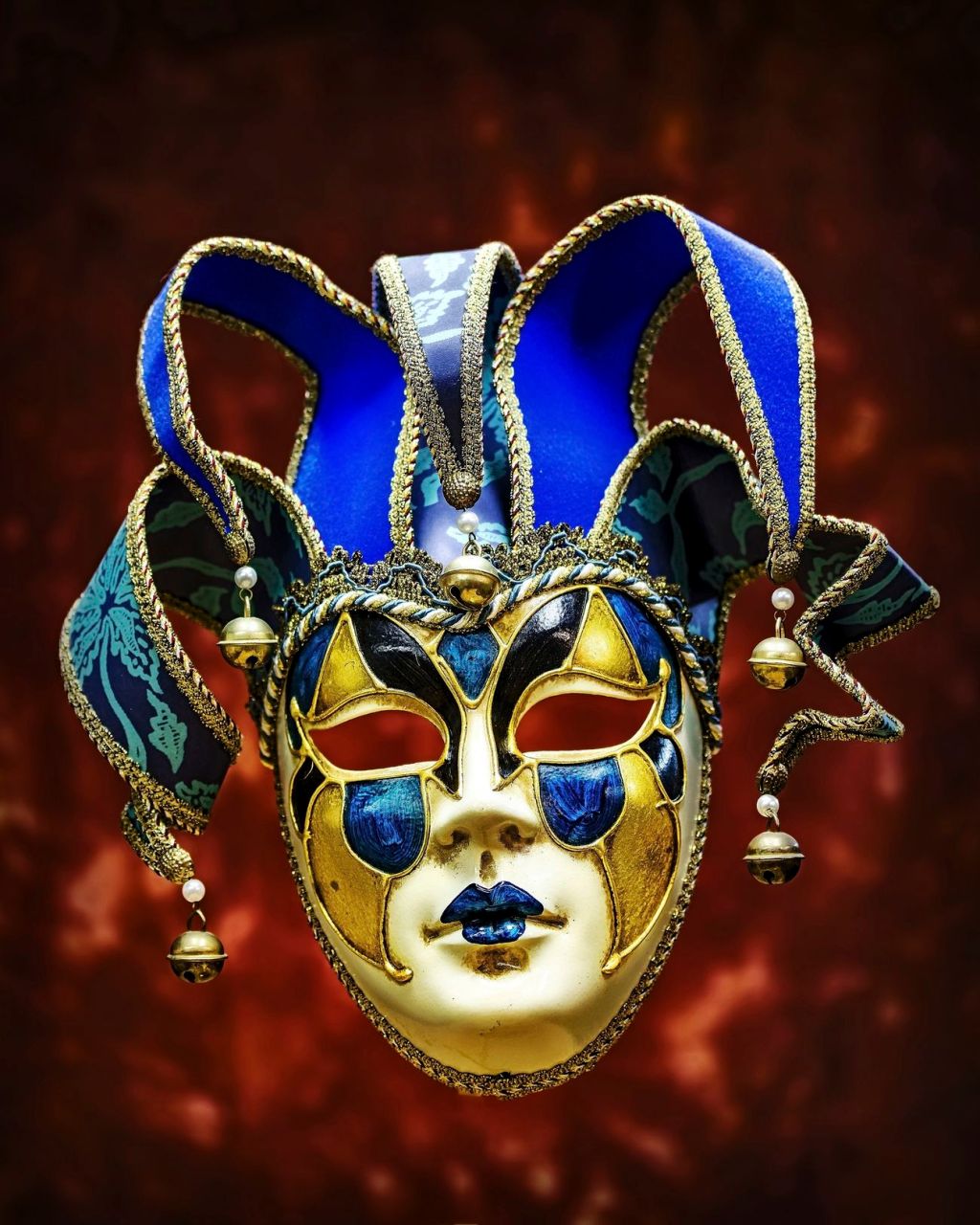
Over the weekend there was an article in the newspaper about how Christine McGuiness, who was recently diagnosed with ASC, had masked throughout her marriage in her attempts to be the perfect wife. I see a lot of different and confrontational things written about masking so in this week’s post we get to the bottom of masking.
First up, what is masking?
To ‘mask’ is described by Dr Hannah Belcher on the National Autistic Society website as “to hide or disguise parts of oneself in order to better fit in with those around you”. It is something we will all do to some extent during our lifetime, like when we don’t express how much we hate a certain program because all our friends like it, we pretend to like our friend’s boyfriend so as not to upset them or we present one face to our boss and another to our coworkers. For autistic people masking can be more prevalent because many of their natural behaviours are seen by society as in some way unacceptable. For example an autistic person might have a special interest which others regard as too young for them and therefore they hide their excitement about it because in the past they have been laughed at. Or they might not understand the reasons behind small talk but have learnt to do it because that is what is socially acceptable. So masking is a perfectly normal human behaviour but one which is perhaps needed more often by autistic people in order to fit in to a society not set up for them.
Problems can occur in neurodiverse relationships because often they have been formed whilst the autistic partner was wearing their mask. In some respect this means that the person the neurotypical partner thought they were getting into a relationship with does not seem like the person they are actually having one with. And this can lead to some really harmful things being said.
Myth 1: “Masking is a way of autistic people trying to deliberately fool us into thinking they are normal”
This is the one of the most prevalent and harmful myths I see. There are so many things wrong with this statement I don’t quite know where to start. For a start there is nothing abnormal about an autistic person. And secondly, autistic masking is not an attempt to fool anybody. In masking the autistic person is normally trying to fit in and protect themselves. It is a method of self-preservation not attack. Often the autistic person themselves does not even realise they are masking, it is just the only way that they can find to survive in the world. And masking can actually be really damaging to the autistic person themselves. They are constantly suppressing their natural desires and instincts. This is extremely tiring and over time can be one of the main contributory factors of autistic burnout. Your autistic partner was never trying to fool you. They were doing what they thought they needed to do to be in the spaces you were both occupying and to be the person they thought they needed to be.
Myth 2: “My husband acted one way when we met and then as soon as we were married he turned into someone else. The true person has come out now. He tricked me into marrying him.”
This is such a tempting narrative because it can be true that autistic people do undergo an apparently dramatic change after being in a relationship for a while. But rather than this being a trick, it is actually because once they start to feel comfortable with you they can let their mask down, show you more of their real selves. Rather than showing a lack of respect and love for you, dropping the mask shows how much you really mean, how safe your relationship is making them feel. Often marriage can be a catalyst for this because now you are married they feel more secure in the relationship. This change can be difficult to deal with. You didn’t know you had married a man who loved train sets or could talk for hours about radios. Some of the things they do may appear less mature than you thought them or you might suddenly find out how many things they actually struggle with. It can feel like you have been conned. But the important thing to remember is there was no deliberate attempt to deceive here. Remember masking is an autistic person’s way of surviving in an autistic unfriendly world. They often don’t realise they are doing it. The key is to learn to love your unmasked autistic partner as much as you love the masked one.
Myth 3: “He can mask with everyone else so he should be able to mask with me”
In theory this seems reasonable. But… Masking is exhausting. It takes a lot of effort to be someone you are not all day. When your autistic partner comes home to you, they just want to be themselves. In fact they are probably incapable of being anything other than their true selves. It is like when you get home at the end of the day and take off your stiff work clothes and put on your comfy home clothes. The unmasked version of them is their most relaxed state. Again, we should feel privileged that they trust us enough to let us see this not insist that they keep up the painful mask, even at home.
So in conclusion, masking is a survival technique and not an attempt to deceive or trick. It is extremely tiring for the person who is doing the masking and cannot be maintained indefinitely. As the neurotypical partner we need to understand this. And the autistic partner? They need to understand that we can find it a bit difficult when the mask first come off. We may not be prepared for the “real you”. You might need to give us some time to adapt but as long as we can still see some of the things we fell in love with we will get there eventually. And then we can both truly be ourselves.


 You, Me & AuDHD
Leave a reply to katieb888 Cancel reply